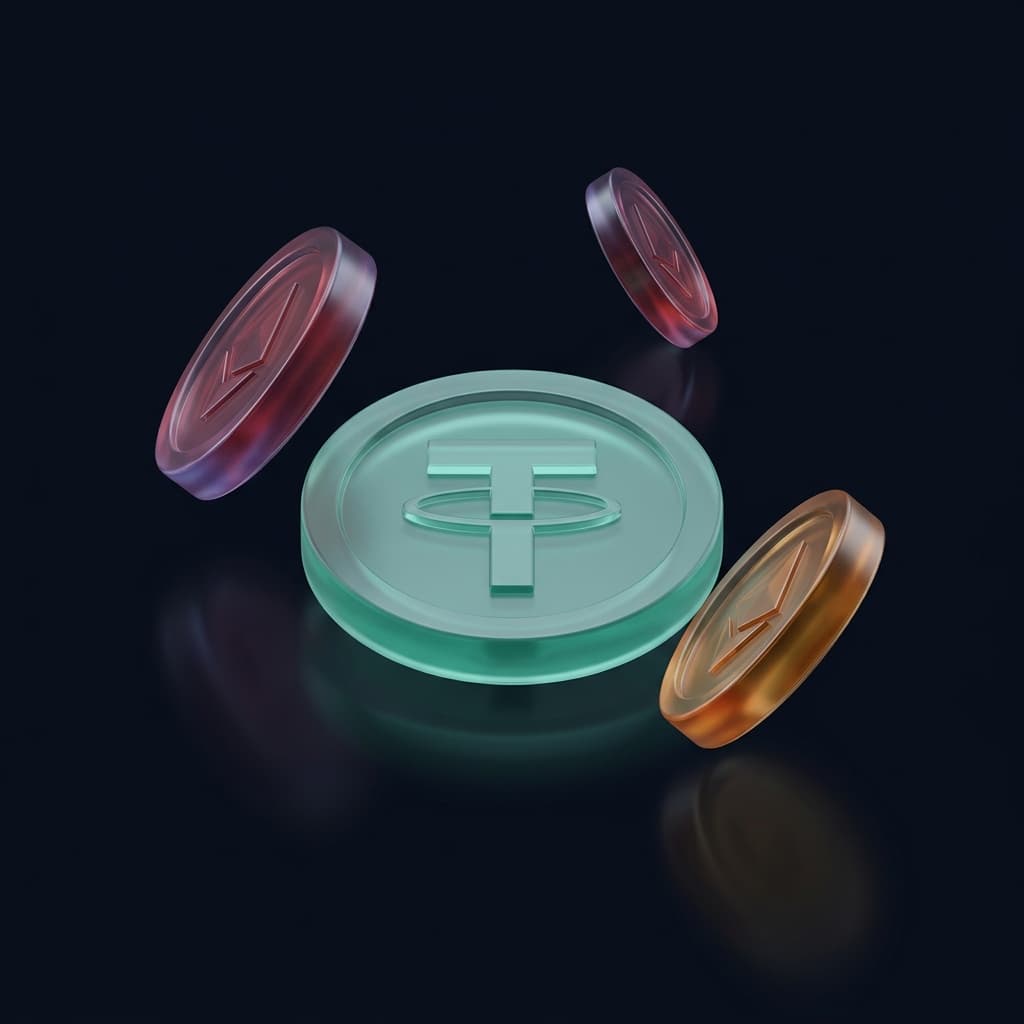
إذا قضيت أي وقت في عالم الكريبتو، فلا بد أنك رأيت الأسعار مُقوّمة بـ USDT والأرصدة تُقاس بها. إن USDT هي عملة مستقرة (stablecoin)، أي نوع من العملات الرقمية مصمّم للحفاظ على قيمة ثابتة تقارب دولاراً أمريكياً واحداً. تُعدّ العملات المستقرة من أهم اللبنات الأساسية في تداول الكريبتو، وفهمها يجعل كل ما عداه أسهل متابعةً.
هذا محتوى تعليمي عام، وليس نصيحة مالية. سنشرح ما هي العملات المستقرة وكيف تُستخدم، لكننا لن نخبرك أيّها «آمن»، فهذا ادعاء لا ينبغي لأحد أن يطلقه.
أهم النقاط
- العملة المستقرة هي عملة رقمية مصمّمة لتتبّع قيمة ثابتة، عادةً ما تقارب دولاراً أمريكياً واحداً، بحيث لا تتأرجح مثل Bitcoin أو العملات الأخرى.
- USDT وUSDC مثالان واسعا الاستخدام؛ وهما موجودان لمنح المتداولين وحدةً ثابتةً لتسعير القيمة ونقلها وحفظها.
- غالباً ما تكون العملات المستقرة هي «عملة التسعير» (quote currency)، أي الوحدة التي تُقاس بها الأسعار مثل BTC/USDT، والوحدة المستخدمة في الإيداعات والأرصدة.
- كلمة «مستقرة» هدف تصميمي وليست ضماناً: يمكن أن تفقد العملة المستقرة ارتباطها (de-peg) وتُتداول أعلى أو أدنى من دولار واحد.
- «مستقرة» لا تعني الخلو من المخاطر. فالعملات المستقرة تحمل مخاطرها الخاصة وينبغي فهمها، لا افتراض أنها نقد.
ما هي العملة المستقرة
معظم العملات الرقمية متقلّبة، إذ يمكن أن يتحرك سعرها كثيراً في يوم واحد. هذا مناسب للتداول، لكنه يجعلها غير عملية كوحدة قياس ثابتة أو كمكان للانتظار بين الصفقات. وقد بُنيت العملة المستقرة لحل هذه المشكلة. فهي عملة رقمية صُمّمت قيمتها لتبقى قريبة من مرجع ما، يكون في الغالب الأعم دولاراً أمريكياً واحداً، بحيث يُقصد أن تساوي الوحدة الواحدة نحو دولار واحد في كل الأوقات.
الفكرة هي الجمع بين سهولة الكريبتو (سرعة النقل، سهولة الحفظ في محفظة، إمكانية الاستخدام عبر المنصات والبلوكشينات المختلفة) وثبات عملة مألوفة. فحين تحتفظ بعملة مستقرة، يكون القصد أن قيمتها لن تقفز صعوداً أو هبوطاً كما تفعل عملة متقلّبة.
تحاول العملات المستقرة المختلفة الحفاظ على تلك القيمة الثابتة بطرق متباينة. ومن الأساليب الشائعة دعم العملة المستقرة باحتياطيات (مثل النقد والأصول قصيرة الأجل) بحيث يُقصد أن يكون كل توكن قابلاً للاسترداد بقيمة تقف خلفه. تختلف الآليات بين المشاريع، والتفاصيل مهمة، لكن الهدف المشترك واحد: تتبّع الدولار عن قرب.
لماذا توجد العملات المستقرة
تحل العملات المستقرة عدة مشكلات عملية جداً:
- وحدة ثابتة للتداول. تسعير صفقة بعملة متقلّبة أمرٌ مربك، لأن أداة القياس نفسها تتحرك باستمرار. أما تسعيرها بعملة مستقرة مرتبطة بالدولار فيمنح المتداولين مرجعاً ثابتاً.
- نقل القيمة دون مغادرة الكريبتو. لأخذ الأرباح أو تقليل التعرّض لأصل متقلّب، يمكن للمتداول أن ينتقل إلى عملة مستقرة بدلاً من التحويل النقدي إلى البنك، وذلك بسرعة وعلى المسارات نفسها التي يجري عليها كل شيء آخر.
- لغة مشتركة عبر السوق. تُنظَّم معظم المنصات والأزواج حول عدد صغير من العملات المستقرة المقبولة على نطاق واسع، مما يسهّل التنقل بين الأصول.
- السرعة والانتشار. تنتقل العملات المستقرة على البلوكشين، لذا يمكن إرسالها عبر الحدود وبين المنصات بسرعة تفوق كثيراً الأنظمة المصرفية التقليدية في كثير من الأحيان.
تُعدّ USDT (وتُسمى غالباً Tether) وUSDC من أكثر الأمثلة استخداماً. وكثيراً ما تُستخدمان بالطريقة نفسها، أي كوحدة مقوّمة بالدولار للتداول وحفظ القيمة. نحن نذكرهما كمثالين على كيفية استخدام العملات المستقرة، لا كتزكية: فهذا الدليل لا يصنّف أو يوصي بأي عملة مستقرة بعينها.
كيف تُستخدم العملات المستقرة في التداول
أهم دور تؤديه العملة المستقرة بالنسبة للمتداول هو دورها كـ عملة تسعير (quote currency).
لكل زوج تداول جانبان. في زوج مكتوب على شكل BTC/USDT، تكون Bitcoin (BTC) هي الأصل الأساس (base)، أي الشيء الذي يُشترى أو يُباع، وتكون USDT هي أصل التسعير (quote)، أي الوحدة التي يُقاس بها السعر. فعبارة «سعر BTC هو 60,000 USDT» تعني أن قيمة عملة Bitcoin واحدة هي ستون ألف وحدة من USDT. ولأن USDT يُقصد أن تحافظ على قيمة ثابتة تقارب دولاراً واحداً، فإن ذلك السعر يُقرأ تقريباً كسعر بالدولار، وهذا بالضبط ما يجعل العملات المستقرة مفيدة جداً في جانب التسعير.
يظهر هذا في كل مكان:
- الأسعار والرسوم البيانية تُقوّم مقابل عملة مستقرة، فتتمكن من مقارنة الأصول على مقياس ثابت.
- الربح والخسارة كثيراً ما يُقاسان بالعملة المستقرة، لأنها معيار ثابت.
- الأرصدة والإيداعات كثيراً ما تُقوّم بعملة مستقرة، فلا تتأرجح قيمة حسابك لمجرد أن عملة متقلّبة قد تحركت.
في Freya، تُعدّ USDT عملة الإيداع والتسعير. تموّل حسابك بـ USDT، ويُقاس رصيدك على المنصة بـ USDT، ويُنظَّم التداول حولها. لمعرفة الخطوات العملية، راجع كيفية إيداع USDT.
«مستقرة» هدف وليست ضماناً: مخاطر فك الارتباط
هنا الجزء الذي يتجاوزه كثير من المبتدئين: العملة المستقرة مصمّمة للبقاء عند دولار واحد، لكن نوايا التصميم ليست ضمانات.
عندما تُتداول عملة مستقرة بعيداً بقدر ملموس عن قيمتها المستهدفة، يكون قد حدث لها فك ارتباط (de-peg). وفك الارتباط يعني أن توكناً «يُفترض» أن يساوي دولاراً واحداً يُتداول مؤقتاً (أو في أسوأ الحالات، بشكل دائم) أعلى أو أدنى من ذلك، فيصبح مثلاً 0.95 دولار أو 1.03 دولار. يمكن أن يحدث فك الارتباط لأسباب كثيرة: ضغوط في السوق، أو شكوك حول الأصول الداعمة للعملة، أو ضغط بيع كبير، أو مشكلات في السيولة، أو مشكلات تشغيلية لدى المشروع الذي يقف خلفها.
يتضمن تاريخ فضاء الكريبتو الأوسع عملات مستقرة اهتزّ ارتباطها تحت الضغط، وفي بعض الحالات فشلت في التعافي. الخلاصة ليست أن «العملات المستقرة سيئة»، فهي جزء أساسي ومفيد من السوق، بل إن كلمة مستقرة تصف هدفاً يسعى إليه المشروع، لا وعداً لا يمكن أن ينكسر أبداً.
«مستقرة» لا تعني الخلو من المخاطر
بعبارة صريحة: العملة المستقرة ليست كالنقد في بنك، و«مستقرة» لا تعني «خالية من المخاطر».
يمكن أن تحمل العملة المستقرة عدة أنواع من المخاطر في آن واحد: احتمال فقدانها ارتباطها، وأسئلة حول ما يدعمها فعلاً وما إذا كانت الاحتياطيات كافية، والقواعد والرقابة (أو غيابها) المحيطة بالجهة المُصدِرة، والمخاطر التقنية المعتادة لأي أصل كريبتو (البلوكشين الذي تعيش عليه، والمحفظة التي تحتفظ بها فيها، وإرسالها إلى الشبكة الخاطئة). لا شيء من ذلك يجعل العملات المستقرة غير قابلة للاستخدام، فهي تُستخدم باستمرار ولأسباب وجيهة، لكنه يعني أنه ينبغي أن تعاملها كأداة مالية يجب فهمها، لا كدولار مضمون بأعجوبة.
نحن نتعمّد ألا نخبرك أي عملة مستقرة هي «الآمنة». فمقارنة أمان عملات مستقرة بعينها تنطوي على أحكام حول الاحتياطيات والجهات المُصدِرة والتنظيم، وهي أحكام تتغير مع مرور الوقت ولا ينبغي لأي مقال واحد أن يقدّمها لك كحكم قاطع. النهج المسؤول هو أن تفهم كيف تعمل العملات المستقرة وما فئات المخاطر الموجودة، وأن تجري بحثك الخاص المحدّث، فهذا محتوى تعليمي عام وليس نصيحة مالية.
لمعرفة كيف يرتبط هذا بأمان الأموال على المنصة نفسها، راجع هل أموالي آمنة على Freya؟.
الأسئلة الشائعة
ما هي العملة المستقرة بعبارات بسيطة؟
العملة المستقرة هي عملة رقمية مصمّمة للحفاظ على قيمة ثابتة، تقارب في الغالب الأعم دولاراً أمريكياً واحداً. وعلى خلاف العملات المتقلّبة التي تتأرجح أسعارها، تهدف العملة المستقرة إلى البقاء قرب هدفها كي تصلح كوحدة ثابتة لتسعير الصفقات ونقل القيمة والاحتفاظ بالأرصدة دون تقلّب يومي كبير.
ما هي USDT؟
USDT، وتُسمى غالباً Tether، هي واحدة من أكثر العملات المستقرة استخداماً. ومثل غيرها من العملات المستقرة المرتبطة بالدولار، فهي مصمّمة لتساوي نحو دولار أمريكي واحد، وتُستخدم عادةً كالوحدة التي يسعّر بها المتداولون الأصول ويحفظون بها القيمة. نحن نصفها كمثال على كيفية استخدام العملات المستقرة، لا كتوصية أو تصنيف للأمان.
ما الفرق بين USDT وUSDC؟
كلتاهما عملة مستقرة واسعة الاستخدام ومرتبطة بالدولار وتُستخدمان بطرق متشابهة، أي كوحدة ثابتة للتداول وحفظ القيمة. وهما صادرتان عن جهتين مختلفتين وتحافظان على ارتباطهما عبر ترتيباتهما واحتياطياتهما الخاصة، وتلك التفاصيل تختلف. يتعامل هذا الدليل معهما كمثالين ولا يصنّف إحداهما على أنها أكثر أماناً من الأخرى، فهذا حكم ينبغي أن تبحثه بمعلومات محدّثة.
لماذا تُستخدم USDT كعملة تسعير؟
لأن العملة المستقرة تحافظ على قيمة ثابتة تقارب دولاراً واحداً، فإنها تصلح كأداة قياس مثالية. ففي زوج مثل BTC/USDT، يُعبَّر عن سعر Bitcoin بـ USDT، فيُقرأ تقريباً كسعر بالدولار ويتيح لك مقارنة الأصول على مقياس ثابت. في Freya، تُعدّ USDT عملة التسعير والعملة التي تودعها وتحتفظ برصيدك بها في آن واحد.
هل يمكن أن تفقد العملة المستقرة قيمتها أو «تفك ارتباطها»؟
نعم. العملة المستقرة مصمّمة لتتبّع هدفها، لكن ذلك التصميم ليس ضماناً. فعندما تُتداول عملة مستقرة بعيداً بقدر ملموس عن ارتباطها، أعلى أو أدنى من دولار واحد، يكون قد حدث لها فك ارتباط. ويمكن أن يحدث هذا بسبب ضغوط السوق، أو الشكوك حول الدعم، أو البيع الكثيف، أو مشكلات السيولة، والتعافي غير مضمون. «مستقرة» هدف وليست وعداً.
هل العملة المستقرة كالاحتفاظ بالنقد؟
لا. تهدف العملة المستقرة إلى محاكاة قيمة الدولار، لكنها ليست نقداً محفوظاً في بنك وليست خالية من المخاطر. فقد تحمل مخاطر فك الارتباط، وأسئلة حول دعمها، واعتبارات تتعلق بالجهة المُصدِرة والتنظيم، والمخاطر التقنية المعتادة لأي أصل كريبتو. عاملها كأداة مالية يجب فهمها، لا كدولار مضمون.
أي عملة مستقرة هي الأكثر أماناً؟
لن يسمّي هذا المقال واحدة على أنها «الأكثر أماناً». فمقارنة أمان العملات المستقرة تعتمد على الاحتياطيات والجهات المُصدِرة والتنظيم والظروف التي تتغير مع مرور الوقت، وليس أمراً ينبغي لدليل واحد أن يحوّله إلى حكم قاطع. النهج المسؤول هو أن تفهم كيف تعمل العملات المستقرة وما المخاطر الموجودة، ثم تجري بحثك الخاص المحدّث. هذا محتوى تعليمي عام وليس نصيحة مالية.
كيف أودع USDT على Freya؟
USDT هي عملة الإيداع والتسعير على Freya، لذا تموّل حسابك بها ويُقاس رصيدك بها. لمعرفة العملية خطوة بخطوة، بما في ذلك اختيار الشبكة الصحيحة عند إرسال USDT، راجع دليل كيفية إيداع USDT.
العملات المستقرة هي الوحدة الثابتة التي تجعل تداول الكريبتو مفهوماً، فهي مفيدة ومحورية ولا تزال تستحق أن تُفهم لا أن يُفترض بها الأمان. تابع مع كيفية إيداع USDT وهل أموالي آمنة على Freya؟.